Things to Do in Venezuela in July
July weather, activities, events & insider tips
Low Season · Budget Friendly
July Weather in Venezuela
Long-run averages for July in Caracas
82°F (28°C)
High Temp
68°F (20°C)
Low Temp
4.8 inches (122 mm)
Rainfall
78%
Humidity
12
Sunny-Day UV
⚠ Sudden afternoon thunderstorms can flood Caracas streets within 30 minutes - avoid underground parking and low-lying areas
⚠ UV index reaches 8 even on cloudy days - sunburn happens faster than most travelers expect near the equator
Is July Right for You?
Weigh the advantages and considerations before booking
Advantages
- + July is the driest month in the Andes - Mount Roraima treks are finally possible without the usual downpour that turns trails into rivers, giving you those tabletop mountain views that inspired Arthur Conan Doyle's 'Lost World'
- + Los Roques archipelago sits at its least crowded - the charter flights from Caracas drop from 4 daily to 2, which means you'll share those Caribbean blues with maybe 30 other visitors across 300 islands
- + Caracas' cable car to El Ávila runs again (reopened 2025 after a decade), and July's clear mornings give 50 km (31 mile) visibility over the coastal range - something locals haven't seen since 2014
- + Coffee harvest in the Andean states means roadside stalls selling fresh-roasted beans that still feel warm in your hands, and the kind of pour-overs that make you forget about Caracas traffic
Considerations
- − It's hot. Not metaphorically - 31°C (88°F) hot in Caracas, and the power cuts that tend to hit 2-3 times daily mean no air conditioning when you're trying to sleep
- − Los Llanos safaris are basically mosquito feeding sessions - the wet season that runs through July means water buffalo and jaguars are harder to spot, and you'll need 40% DEET minimum
- − Domestic flights operate on 'Venezuelan time' - which means your 7 AM flight might leave at 2 PM, or the next day, and July's the worst month for delays because everyone's escaping Caracas heat
Best Activities in July
Top things to do during your visit
Mount Roraima Trekking Expeditions
July's your last chance before the real rains start. The 6-day trek starts from Paraitepui village at 1,200 m (3,937 ft), climbing through cloud forest where the air drops 5°C (9°F) every 1,000 m. By day 3 you're camping on the tepui summit at 2,800 m (9,186 ft), where the rock formations look like they belong on Mars and the only sounds are your boots on quartzite and the occasional echo from a waterfall dropping 600 m (1,969 ft).
Booking Tip: Book 14 days ahead through licensed operators. July groups max out at 8 people due to park limits - see current tours in the booking section below.
Los Roques Island-Hopping Catamaran Tours
July trades the Easter crowds for trade winds that keep temperatures at 28°C (82°F) and create the kind of sailing conditions that make captains grin. You'll anchor at Cayo de Agua where the sandbar appears at low tide like a mirage, and snorkel reefs where the water's so clear you can spot eagle rays from the boat deck.
Booking Tip: Look for operators running 2-3 day trips rather than day tours - the overnight anchorage at Gran Roque gives you sunset shots without the day-trippers. Check the booking widget for July departures.
Caracas Cable Car to El Ávila Peak Cycling
The refurbished cable car drops you at 2,100 m (6,890 ft) where July's afternoon clouds haven't rolled in yet. Rent a mountain bike at the top station (ask for Luis - he's been running rentals since 1998) and coast down 15 km (9.3 miles) of switchback roads that smell like pine and eucalyptus. The descent takes 45 minutes through microclimates that drop from 18°C (64°F) to 28°C (82°F).
Booking Tip: Cable car runs 9 AM to 5 PM, but bikes must be returned by 4 PM sharp. Book the 9 AM car to beat the afternoon cloud cover - see current options below.
Mérida Andean Coffee Farm Tours
July is peak harvest in the 1,600 m (5,249 ft) cloud forests around Mérida. You'll walk through rows of coffee cherries turning deep red, the smell of fermentation tanks mixing with mountain air that's 10°C (18°F) cooler than Caracas. The tours end with cupping sessions where farmers explain why Venezuelan coffee disappeared from global markets - and why it might be coming back.
Booking Tip: Small farms limit tours to 6 people max. Tuesday and Thursday tours include lunch with farming families - book through the widget for July availability.
Canaima Lagoon Overnight Trips
July's variable weather creates the conditions that make Angel Falls visible - when morning fog lifts and you see water dropping 979 m (3,212 ft) from a tabletop mountain, it's the kind of moment that justifies the 1-hour flight plus 4-hour dugout canoe journey. The lagoon stays warm enough for swimming at 26°C (79°F), and the indigenous Pemón guides tell stories that make the geology feel mythological.
Booking Tip: Weather-dependent - flights cancel in heavy rain. Book 7-10 days ahead and build in a buffer day. See current flight/river combo tours below.
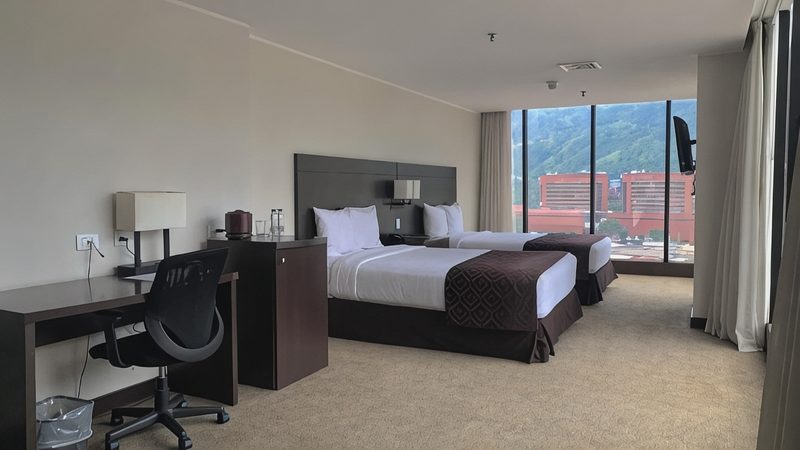
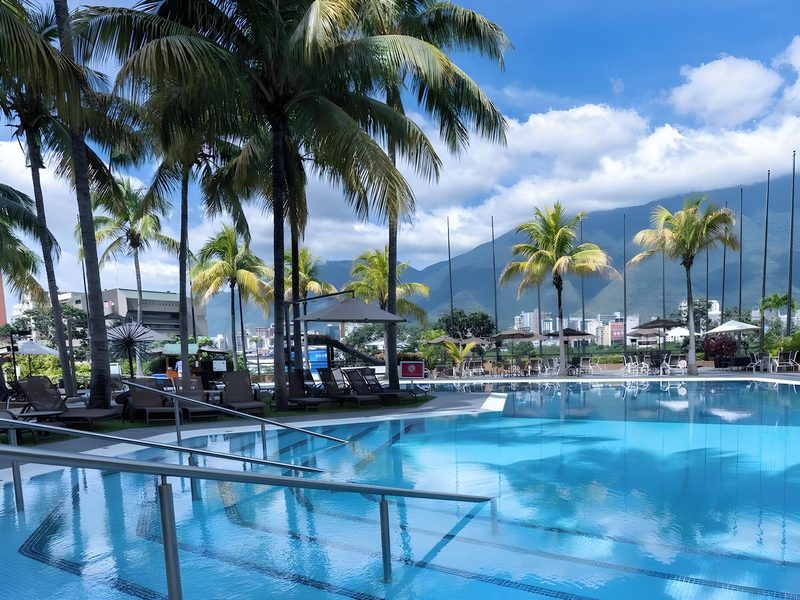
Where to Stay in Venezuela in July
Hand-picked hotels across price tiers for July travellers.
Public Holidays in July
Dates that affect opening hours, transport and crowds
Cinco de julio
Known in English as Independence Day. Observed nationwide as a public holiday.
Natalicio del Libertador Simón Bolívar
Known in English as Simón Bolívar's Birthday. Observed nationwide as a public holiday.
Cinco de julio
Known in English as Independence Day. Observed nationwide as a public holiday.
Natalicio del Libertador Simón Bolívar
Known in English as Simón Bolívar's Birthday. Observed nationwide as a public holiday.
Packing Checklist
Bookmark this page — your progress is saved between visits
Need the full list with shopping links?
Climate-specific gear, brand recommendations, and what to leave at home.
View Venezuela Packing List →Essential Tips
Insider knowledge and common pitfalls to avoid
Insider Knowledge
Caracas' Metro is running again after the 2024-25 shutdowns - Line 1 connects the airport bus to downtown, saving 50% on taxi fares
Los Roques flights now include a 'nationality tax' - foreign passports pay double. But if you speak Spanish and have Colombian or Peruvian stamps, you might get the local rate
Skip the restaurants if you want the best arepas. Hunt instead for the women who pop their car trunks outside universities after 6 PM. The aluminum foil traps the steam so the cheese melts to exact softness.
Venezuelans themselves take their holidays in July. Caracas turns quiet while every beach town fills with locals. Reserve Los Roques for mid-week; weekends are packed.
Avoid These Mistakes
Forget the fantasy of a day trip to Angel Falls from Caracas. The flight plus river ride swallows two full days, and July storms scrub 30% of departures.
Don't rely solely on US dollars. Street rates beat official ones. Yet euros still command the top exchange in July 2026.
International booking sites will cost you 40% more than a direct call. They also omit the power-cut timetables that every hotel keeps.
Ready to plan your trip to Venezuela?
Now that you've got the research covered, here's where to go next.
Explore More Activities in Venezuela
Didn't see anything interesting yet?
Browse Viator's full catalog of tours, day trips, food experiences, and private guides in Venezuela.
See All Venezuela Tours on Viator